
Edited by

Research, writing and fact-checking
This area covers wearables, sensors, training metrics and home fitness equipment.
EveryFiveDays articles are researched and drafted with the help of AI tools, then checked against their original sources and edited by a human editor before they are published. Our How We Work page explains the process in full.
Fitness devices give you precise-looking numbers. Some are measured and some are estimated, and the difference matters when you set a calorie target or train by heart rate. If you rely on a number, start with the accuracy guides. Before you buy a device that needs a monthly membership, read what it costs to keep using.
Can you trust the numbers?
Calories, heart rate, glucose and digital weight: what your device measures and what it estimates.
 Are Apple Watch Calories Accurate? How to Set Your Calorie Target Without GuessingYour watch measures heart rate and movement. The calorie figure is a model built on top of those signals. This guide covers why that model breaks…
 Tonal Digital Weight vs Real Weight: What the Numbers Actually MeanConnected strength machines put precise numbers on every rep. This piece separates what they measure from what they estimate, then adds up what the membership costs…
 Wrist vs Chest Strap Heart Rate Accuracy: What Works During Hard TrainingOptical watches, optical armbands and ECG chest straps fail in different places. Here's what each one actually sees at rest, in steady cardio, in intervals and…
 CGMs Without Diabetes: What They Measure, How Accurate They Are and Whether They Are Worth ItConsumer CGMs measure one thing and infer the rest. Here is the signal chain from enzyme electrode to smoothed curve, how far behind your blood the…
What it costs to keep using
Memberships, and what stops working when you cancel.

Where Fitness Technology meets the other areas
- Sleep & RecoveryAre Sleep Trackers Accurate? What Their Data Can and Cannot Tell You
Sleep stages are where wearables are least accurate. This is what your tracker's sleep data can and can't tell you.
- Smart Pet CarePet Tech Subscriptions: Three-Year Cost and What Stops Working When You Cancel
The same subscription question for pet cameras, feeders and litter boxes.
Fitness Technology · Editors’ Review
Training tech that earns its place.
Picks from our fitness technology guides, chosen for measurements that hold up and features you will actually use, with each device's limits stated plainly in the guide behind it.
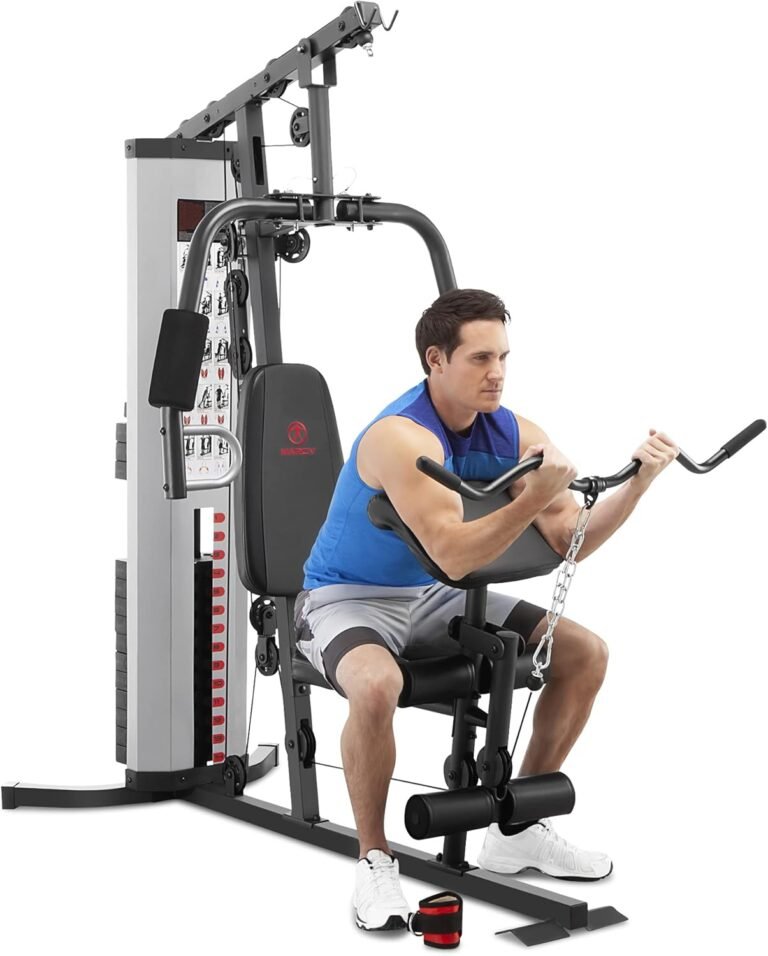
Marcy Multifunction Home Gym Workout Station, 100 to 200 lb Weight Stack
The Marcy MWM-988 is a multi-station home gym that combines a 150 lb selectorized weight stack with chest press and fly movements, lat pulldowns, cable exercises, leg extensions and preacher curls. Its…
Shop on Amazon (opens in a new tab)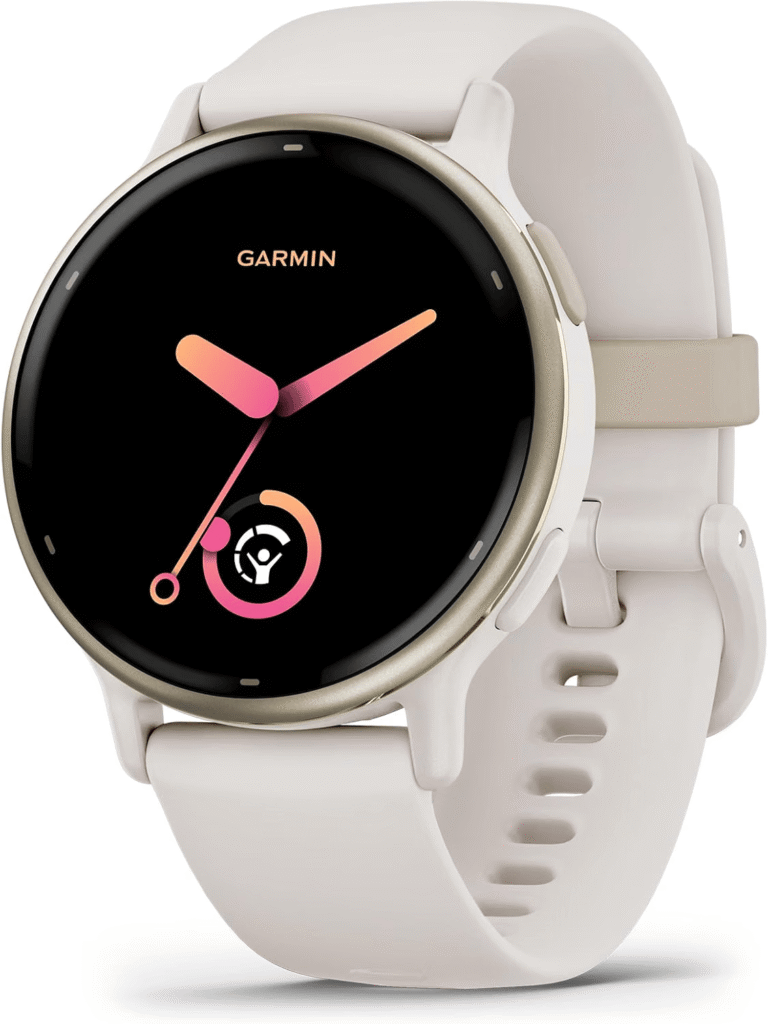
Garmin vívoactive® 5, Health & Fitness GPS Smartwatch, 42mm, Ivory
A versatile fitness smartwatch that combines GPS, health monitoring, sleep coaching, and workout tracking in a lightweight everyday design. With an AMOLED display and up to 11 days of battery life, the…
Shop on Amazon (opens in a new tab)We may earn a commission when you buy through links on this page, at no extra cost to you.
More from the blog

Sleep & Recovery
Sleep is the one input that quietly improves every other part of your day — and the easiest one to get wrong. This area covers what genuinely moves the needle on sleep quality: light, temperature, timing and the wind-down habits that make a difference, kept carefully separate from the claims that don’t hold up.

Cognitive Performance
Attention is a finite resource, and most advice about protecting it is either folklore or marketing. This area looks at how focus, memory and mental stamina actually work, and at which habits, environments and tools survive contact with the underlying research rather than the headline.

Productive Workspaces
A desk is a tool you use for thousands of hours, and small mistakes in how it is set up compound quietly into discomfort and lost focus. This area covers the ergonomics, lighting and layout decisions that make a workspace sustainable rather than merely photogenic.

Smart Pet Care
Smart here means well judged, not well connected. This area covers the everyday decisions that keep a dog or a cat well — weight, teeth, joints, food and treats, enrichment and routine — alongside the connected products marketed to owners, treated as one option among many rather than the answer. Often the better answer costs nothing.