Productive Workspaces
Edited by

Research, writing and fact-checking
This area covers ergonomics, lighting, desk layout and the peripherals that shape a working day.
EveryFiveDays articles are researched and drafted with the help of AI tools, then checked against their original sources and edited by a human editor before they are published. Our How We Work page explains the process in full.
Most workspace problems show up as a symptom first: sore wrists, stiff shoulders, tired eyes. Start with the symptom, try the free fixes, and only then buy. If you're setting up from scratch on a budget, the first group shows what to upgrade first and what to skip.
What to upgrade first, and how to make a laptop work without spending much.
 What to Upgrade First in a Home Workspace on a $300–$600 BudgetA symptom-first spend order for hybrid workers, students and freelancers with a laptop, a makeshift desk and a few hundred dollars — including what to deliberately…
 How to Make a Laptop Workspace Ergonomic Without Spending MuchA laptop cannot put the screen and the keyboard in the right place at the same time. Here are the three honest ways around that, ranked…
Desk height, wrists and posture: find the cause before buying ergonomic gear.
 Wrist Rests, Vertical Mice and Split Keyboards: What May Help Wrist PainBefore buying an ergonomic mouse, move things, change two settings and find out which movement actually hurts. The purchase, if you still need one, gets much…
 The Correct Desk Height: How to Diagnose and Fix a Desk That Is Too HighMost fixed desks are built for one body, and shorter people pay for it in their shoulders and wrists. This is a five-minute check, followed by…
Fixing glare and eye strain before you buy a lamp.
The afternoon slump at your desk may not be the desk at all. Four common causes, and how to tell them apart.
The afternoon coffee at your desk can still be working at bedtime. This is how to find your own cut-off.
Productive Workspaces · Editors’ Review
Picks from our workspace guides: ergonomics, lighting and input devices that fix a real problem at the desk, in the order we would make them.
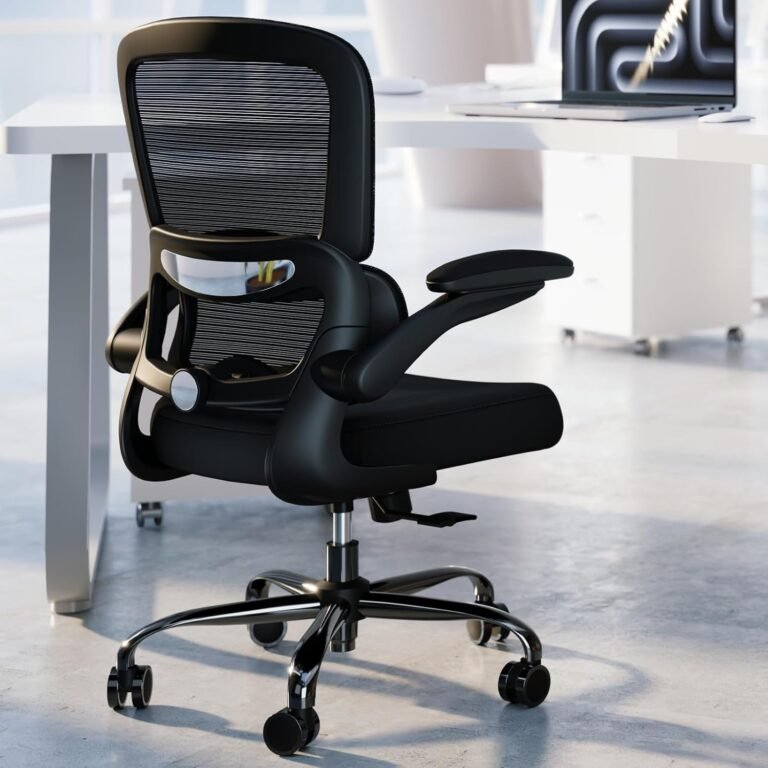
A mesh office chair built around adjustable lumbar support, seat height, recline and flip-up armrests rather than a long list of unnecessary extras. With a 330-pound weight rating and a breathable mesh…
Shop on Amazon (opens in a new tab)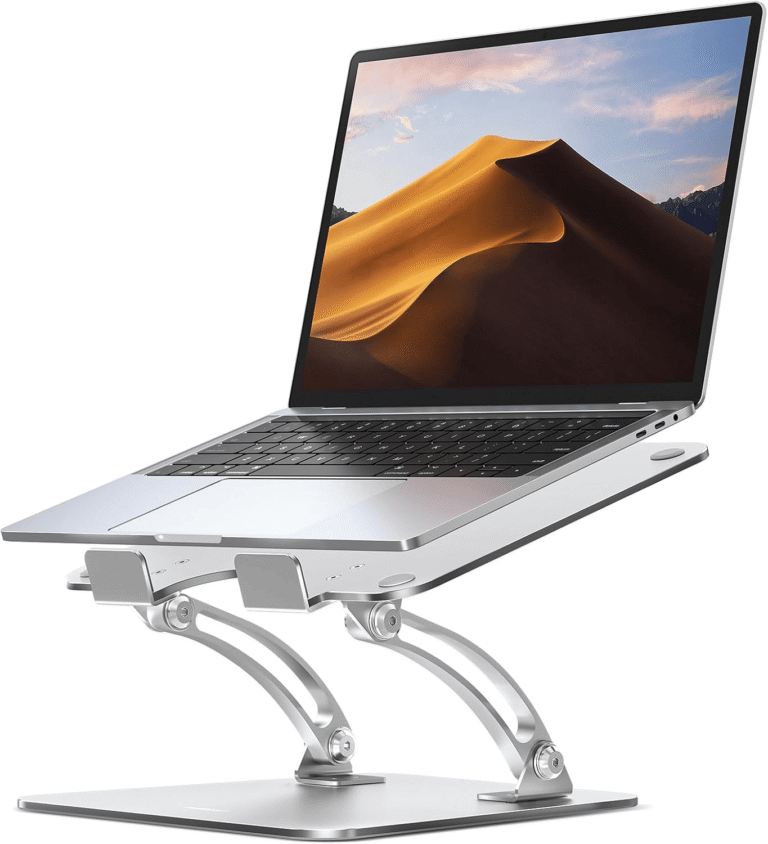
A sturdy, adjustable laptop stand designed to make your desk setup more comfortable and flexible. Its dual-hinge design lets you raise and tilt your laptop to a more suitable viewing position while…
Shop on Amazon (opens in a new tab)We may earn a commission when you buy through links on this page, at no extra cost to you.
More from the blog

Sleep & Recovery
Sleep is the one input that quietly improves every other part of your day — and the easiest one to get wrong. This area covers what genuinely moves the needle on sleep quality: light, temperature, timing and the wind-down habits that make a difference, kept carefully separate from the claims that don’t hold up.

Cognitive Performance
Attention is a finite resource, and most advice about protecting it is either folklore or marketing. This area looks at how focus, memory and mental stamina actually work, and at which habits, environments and tools survive contact with the underlying research rather than the headline.
Fitness Technology
Fitness hardware promises certainty — a number for readiness, a score for recovery, a verdict on your training. This area is about which of those numbers mean something, how the sensors behind them work, and where the gap sits between what a device measures and what it claims.

Smart Pet Care
Smart here means well judged, not well connected. This area covers the everyday decisions that keep a dog or a cat well — weight, teeth, joints, food and treats, enrichment and routine — alongside the connected products marketed to owners, treated as one option among many rather than the answer. Often the better answer costs nothing.
