
Edited by

Research, writing and fact-checking
This area covers sleep environment, circadian timing, recovery tracking and the products that support them.
EveryFiveDays articles are researched and drafted with the help of AI tools, then checked against their original sources and edited by a human editor before they are published. Our How We Work page explains the process in full.
Start with the question you actually have. If you're lying awake, look at what you drink in the evening first: caffeine and alcohol both change your sleep hours after the last cup or glass. If heat or noise wakes you, fix the bedroom before you buy anything. And if a tracker says you slept badly, find out how much of that number to trust.
Falling and staying asleep
What you drink in the evening, and how it shows up at bedtime and at 3am.
 How Long Before Bed Should You Stop Drinking Coffee? Find Your Caffeine Cut-OffThe six-hour rule comes from a study that found six hours was too late. Here's how to add up your real daily dose and run a…
 Alcohol and Sleep: Why It Helps You Fall Asleep but Causes 3am WakingA drink before bed buys faster sleep and charges you for it after midnight. Here is how that trade works, why your tracker flags it, and…
Setting up the bedroom
Darkness, quiet and temperature: what to change first, and what is worth buying.
 How to Make Your Bedroom Darker and Quieter Without Buying the Wrong ThingDarkness has solid evidence behind it and is cheap to get. Quiet is more complicated: blocking intrusive noise helps, adding white noise is a thin bet,…
 The Best Bedroom Temperature for Sleep—and What to Change Before Buying Cooling BeddingHeat wrecks sleep more reliably than almost anything else in a bedroom, but the fix is rarely a purchase. Here's what the evidence supports, why 18.3°C…
Measuring your sleep
What sleep trackers measure well, and what they only estimate.
Where Sleep & Recovery meets the other areas
- Cognitive PerformanceAfternoon Mental Fatigue: A Practical Guide to Sleep, Caffeine, Meals and Monotony
A short night is one of the four usual causes of the afternoon slump. This guide helps you tell which one you have.
- Cognitive PerformanceCaffeine and L-Theanine: What the Evidence Says About Doses, Ratios and Focus
If you use caffeine to focus, the dose and timing that help in the morning are the ones that cost you sleep at night.
- Fitness TechnologyWhat Happens When You Stop Paying for Whoop, Oura, Fitbit, Garmin or Ultrahuman?
Most sleep scores sit behind a subscription. This is what still works if you stop paying.
Sleep & Recovery · Editors’ Review
Small changes for better nights.
Picks from our sleep guides: the few products that support the basics (darkness, quiet, temperature and timing), chosen for what they do rather than what they promise.
 Best Value
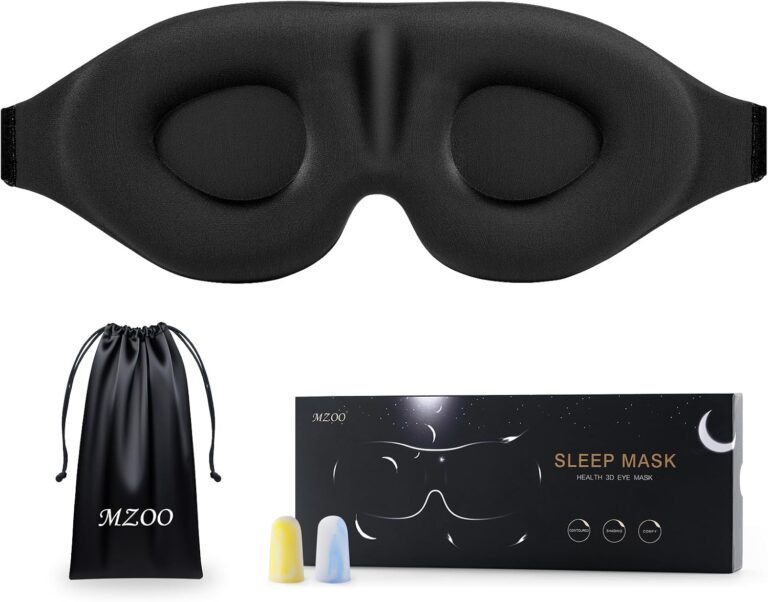
MZOO Luxury Sleep Mask for Women Men Patented Light Blocking Design
A contoured memory-foam sleep mask designed to block incoming light without pressing directly against the eyes. Its deep eye cups, shaped nose bridge and adjustable 19–28-inch strap are particularly suited to people…
Shop on Amazon (opens in a new tab)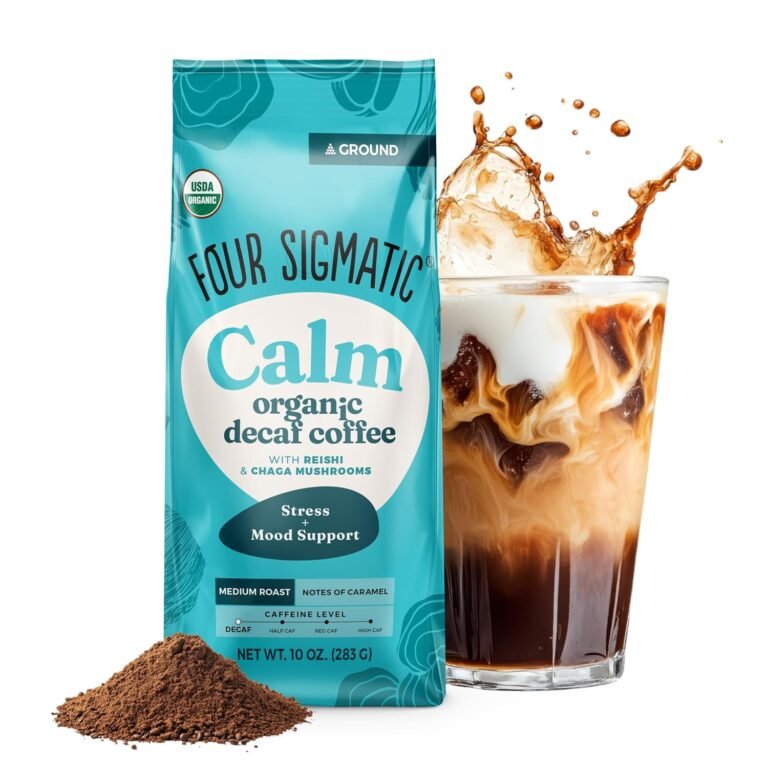
Four Sigmatic Calm Organic Decaf Ground Coffee | Swiss Water Decaf Coffee with Chaga & Reishi Mushroom Extracts
Four Sigmatic Calm Decaf Ground Coffee is an organic decaffeinated ground coffee blended with Reishi and Chaga mushroom extracts. It is designed for people who want the taste and ritual of coffee…
Shop on Amazon (opens in a new tab)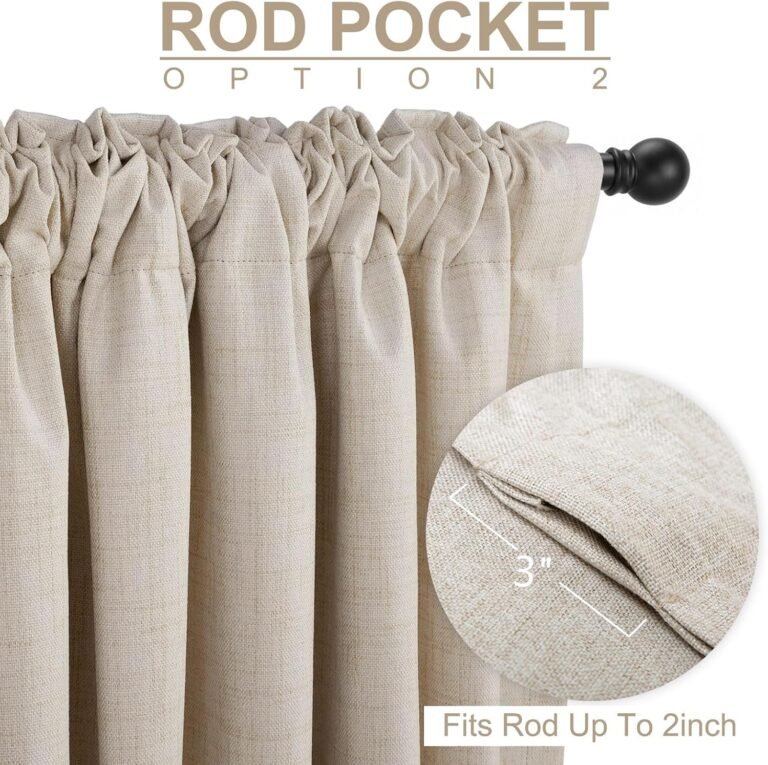
Linen Total Blackout Curtains for Bedroom Living Room 84 Inch
A pair of linen-textured blackout curtains designed to make a bedroom darker and more insulated without looking like heavy-duty window coverings. Each 50 × 84-inch panel uses a blackout-coated fabric and can…
Shop on Amazon (opens in a new tab)We may earn a commission when you buy through links on this page, at no extra cost to you.
More from the blog
Cognitive Performance
Attention is a finite resource, and most advice about protecting it is either folklore or marketing. This area looks at how focus, memory and mental stamina actually work, and at which habits, environments and tools survive contact with the underlying research rather than the headline.
Fitness Technology
Fitness hardware promises certainty — a number for readiness, a score for recovery, a verdict on your training. This area is about which of those numbers mean something, how the sensors behind them work, and where the gap sits between what a device measures and what it claims.

Productive Workspaces
A desk is a tool you use for thousands of hours, and small mistakes in how it is set up compound quietly into discomfort and lost focus. This area covers the ergonomics, lighting and layout decisions that make a workspace sustainable rather than merely photogenic.

Smart Pet Care
Smart here means well judged, not well connected. This area covers the everyday decisions that keep a dog or a cat well — weight, teeth, joints, food and treats, enrichment and routine — alongside the connected products marketed to owners, treated as one option among many rather than the answer. Often the better answer costs nothing.