
Cognitive Performance
Edited by

Research, writing and fact-checking
This area covers attention, memory, cognitive load and the tools people use to support them.
EveryFiveDays articles are researched and drafted with the help of AI tools, then checked against their original sources and edited by a human editor before they are published. Our How We Work page explains the process in full.
Before you buy anything for focus, work out why it's fading. Sleep, caffeine timing, meals and monotony can all cause the afternoon slump, and each needs a different fix. If you still want to try a supplement, the evidence guides below say who it may help, at what dose and how long it takes, and the label guide shows how to check what's actually in the bottle.
The common causes of the afternoon slump, and how to tell them apart.
Omega-3, caffeine with L-theanine, and creatine: who may benefit, at what dose, and how long it takes.
 Omega-3 for Focus and Memory: Who May Benefit, What Dose, and How Long It TakesIn healthy, well-fed adults, fish oil has not been shown to sharpen attention or memory. A few groups have a real case for it, and they…
 Caffeine and L-Theanine: What the Evidence Says About Doses, Ratios and FocusThe caffeine and L-theanine combination is the most reasonable entry point in the nootropics aisle — but the trials are small, single-dose and mostly in young…
 Creatine for Cognition: Dose, Brain Saturation and Who Is Most Likely to RespondCreatine is being re-sold as a nootropic. Here is what the trials actually support, which groups may notice anything, and why no brain-specific daily dose has…
How to check a label before you pay for it.
Caffeine that helps you focus at 2pm can still be in your system at bedtime. This is how to find your own cut-off.
Tired eyes and a mid-afternoon squint are often a lighting problem that feels like a focus problem.
Cognitive Performance · Editors’ Review
Picks from our focus and memory guides, chosen where the evidence or the design genuinely helps. Supplements are judged on their labels and doses, not their marketing.
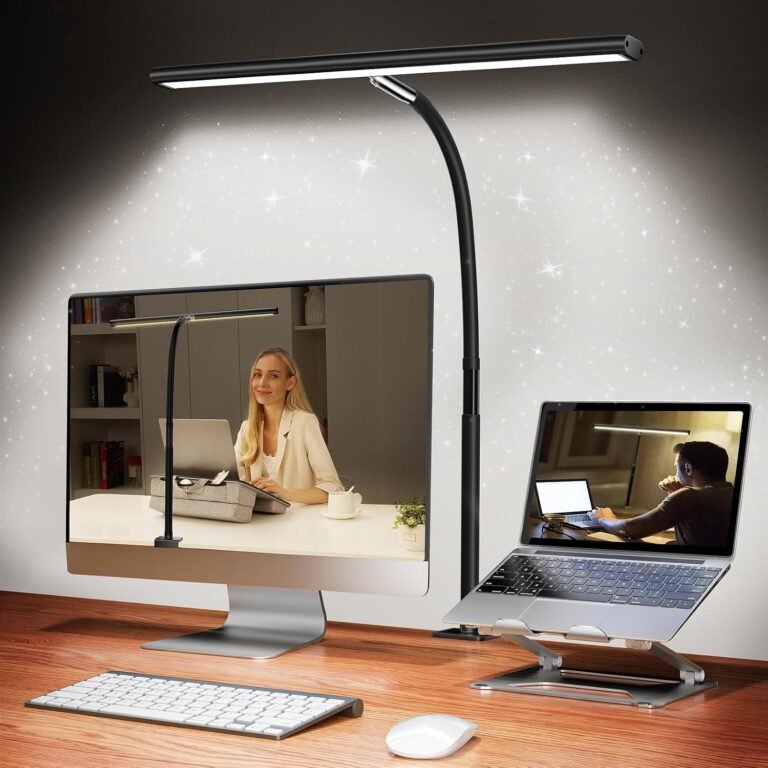
The Airlonv 17-Inch Clamp Desk Lamp is a flexible LED task light designed to provide adjustable illumination without taking up space on the desk surface. It combines a 17-inch light bar, 360°…
Shop on Amazon (opens in a new tab)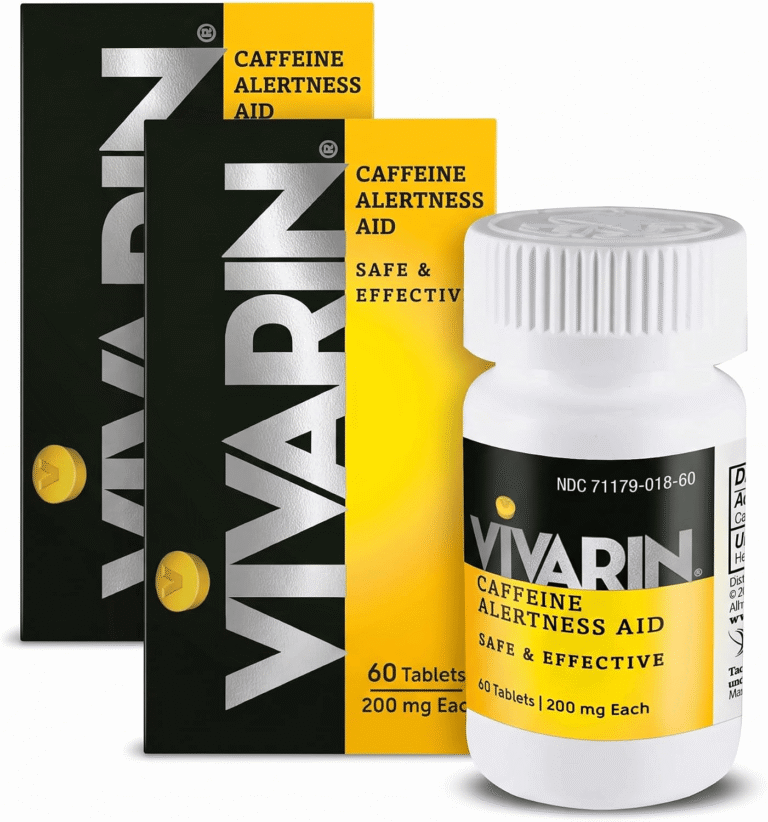
A simple, precisely dosed caffeine tablet for situations where you want the stimulant without coffee, an energy drink, or another beverage. Each Vivarin tablet provides 200 mg of caffeine in a small,…
Shop on Amazon (opens in a new tab)We may earn a commission when you buy through links on this page, at no extra cost to you.
More from the blog

Sleep & Recovery
Sleep is the one input that quietly improves every other part of your day — and the easiest one to get wrong. This area covers what genuinely moves the needle on sleep quality: light, temperature, timing and the wind-down habits that make a difference, kept carefully separate from the claims that don’t hold up.
Fitness Technology
Fitness hardware promises certainty — a number for readiness, a score for recovery, a verdict on your training. This area is about which of those numbers mean something, how the sensors behind them work, and where the gap sits between what a device measures and what it claims.

Productive Workspaces
A desk is a tool you use for thousands of hours, and small mistakes in how it is set up compound quietly into discomfort and lost focus. This area covers the ergonomics, lighting and layout decisions that make a workspace sustainable rather than merely photogenic.

Smart Pet Care
Smart here means well judged, not well connected. This area covers the everyday decisions that keep a dog or a cat well — weight, teeth, joints, food and treats, enrichment and routine — alongside the connected products marketed to owners, treated as one option among many rather than the answer. Often the better answer costs nothing.